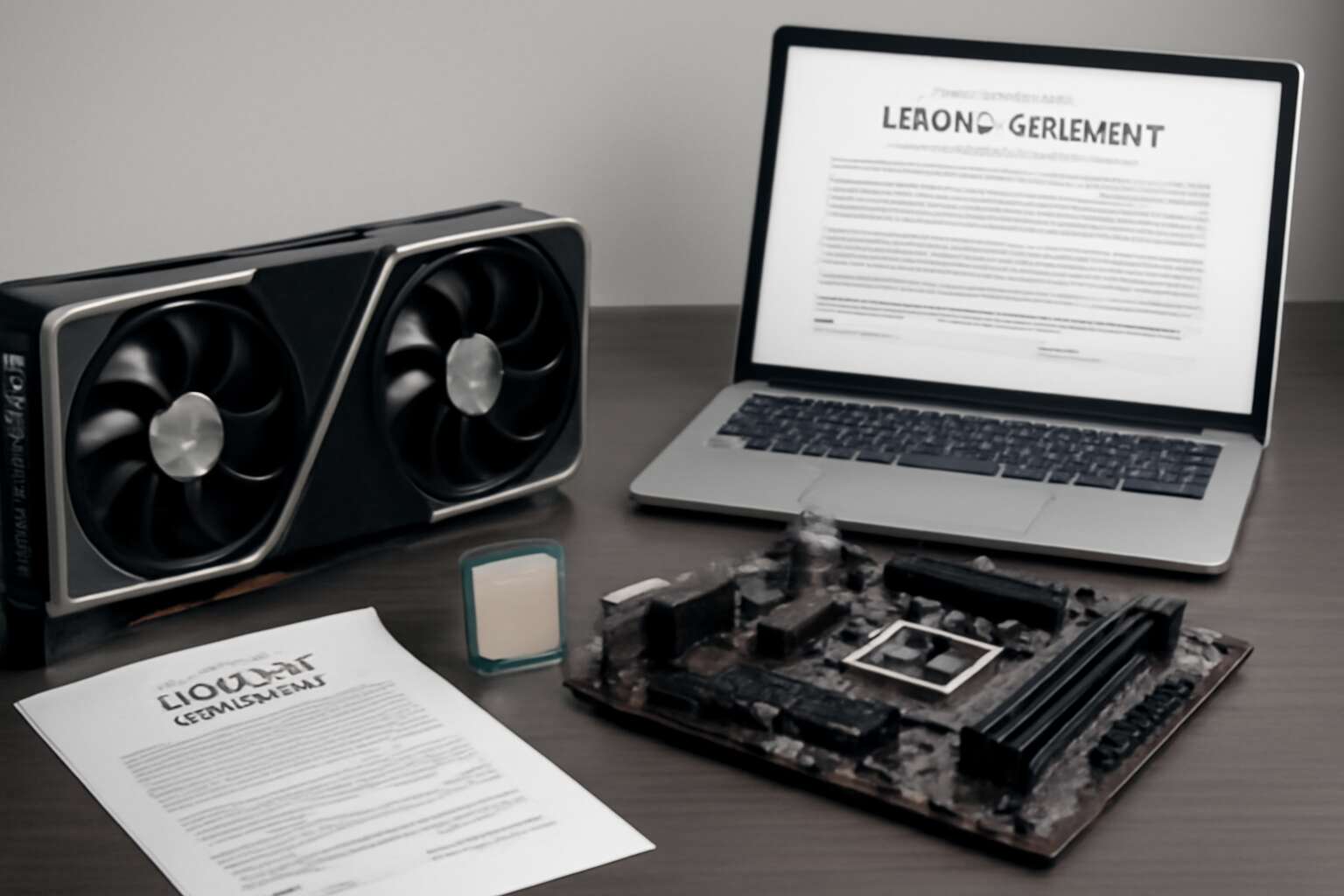
Understanding Computer Part Leasing
What Is Computer Part Leasing and How Does It Work?
In the fast-paced world of technology, staying ahead often means making strategic choices. Lease computer parts has become a game-changer for businesses seeking flexibility and cost-efficiency. Unlike outright purchasing, leasing offers a way to access cutting-edge hardware without the hefty upfront investment, allowing companies to adapt swiftly to evolving demands.
But how does lease computer parts actually work? Essentially, it involves a contractual agreement where a provider supplies the necessary components—such as processors, graphics cards, or storage devices—for a fixed period. This arrangement ensures that you always have access to the latest technology while avoiding the risks associated with obsolescence.
- First, a detailed assessment of your hardware needs is conducted.
- Next, an agreement is negotiated based on the duration and scope of the lease.
- Finally, the equipment is delivered, maintained, and periodically upgraded, all under the lease terms.
This method provides a seamless way to keep your infrastructure current without the burden of ownership. When you lease computer parts, you’re not just buying hardware; you’re investing in a dynamic, adaptable solution that keeps your operations at the forefront of innovation.
Benefits of Leasing Computer Parts
In a landscape where technological innovation accelerates faster than ever, the benefits of lease computer parts become glaringly obvious. Companies that embrace leasing often find themselves at the forefront of industry standards, enjoying a level of agility that outright ownership simply cannot match. With the right lease arrangement, you gain access to state-of-the-art components like high-performance processors and advanced graphics cards—without draining your capital reserves.
Leasing transforms hardware procurement into a strategic advantage. It reduces the risks linked to rapid obsolescence, allowing your enterprise to stay current and competitive. Plus, the flexibility of lease computer parts means you can scale your infrastructure up or down, depending on your evolving needs. This adaptability ensures your operations are never left behind in the dust of outdated technology.
Most importantly, leasing provides predictable costs, often bundled with maintenance and upgrades. This creates a seamless experience—no unexpected expenses, no surprises. When you lease computer parts, you’re not just acquiring hardware; you’re investing in a dynamic, future-proof solution that keeps your business resilient in an unpredictable digital world.
Comparison Between Leasing and Buying Computer Components
Choosing between leasing and buying computer parts isn’t just a financial decision—it’s a strategic move. Leasing offers a flexible way to access cutting-edge hardware without the upfront costs that come with outright purchase. But how does it compare in the long run?
When you lease computer parts, you essentially pay for the use of the hardware over a set period. This means you avoid large capital expenditures and can adapt quickly as technology evolves. Buying, on the other hand, involves a significant initial outlay and often results in outdated equipment faster than you’d like.
- Leasing provides predictable monthly expenses, simplifying budgeting.
- Ownership may seem cheaper upfront but can lead to higher maintenance costs and obsolescence issues.
Ultimately, the decision hinges on your business’s need for agility and financial flexibility. For many enterprises, lease computer parts present a more nimble approach—allowing quick upgrades and reducing risks associated with rapid technological change.
Popular Computer Components Available for Lease
Leasing Process for Computer Processors
In the fast-evolving realm of technology, staying ahead requires access to the latest hardware without breaking the bank. Leasing computer parts has become a strategic move for many businesses, offering flexibility and up-to-date equipment. When considering lease computer parts, the focus often shifts to high-demand components that drive performance and innovation.
Popular computer components available for lease include processors, graphics cards, memory modules, and storage devices. These critical parts form the backbone of any high-performance system. Leasing allows companies to adapt swiftly to technological advancements, ensuring they remain competitive without the hefty upfront investment. For example, lease computer parts such as cutting-edge processors can significantly enhance computational power, enabling complex data analysis and rendering tasks that were previously out of reach.
Leasing processes typically involve a straightforward agreement where businesses can choose from a variety of options tailored to their needs. This not only simplifies hardware upgrades but also provides budget predictability. Whether it’s a short-term project or a long-term strategy, lease computer parts like CPUs or SSDs ensures flexibility. In essence, it transforms the way organizations approach their technological infrastructure—embracing innovation while maintaining fiscal prudence.
Leasing RAM and Memory Modules
When it comes to boosting a system’s muscle without draining the coffers, leasing RAM and memory modules stands out as an elegant solution. These essential components are the unsung heroes of any high-performance setup, and leasing them allows businesses to keep pace with rapid technological advancements. Imagine upgrading your memory without the anxiety of sunk costs—sounds like a win-win, right?
Leasing RAM offers the flexibility to adapt swiftly to demanding workloads, whether it’s intensive data analysis or virtualized environments. Plus, it’s a savvy way to dodge the obsolescence trap, giving your infrastructure a fresh lease on life without the hefty purchase price. For those seeking a more structured approach, here’s a quick rundown of what’s typically available for lease:
- High-capacity DDR4 or DDR5 modules
- ECC memory for mission-critical applications
- Gaming-grade RAM for creative professionals
Leasing memory modules isn’t just about keeping up; it’s about staying ahead. When you lease computer parts like RAM, you’re essentially investing in agility—an invaluable asset in today’s hyper-competitive digital landscape. Who knew that something as small as a memory chip could have such a big impact on your bottom line?
Leasing Graphics Cards and GPUs
Leasing graphics cards and GPUs has become an essential strategy for businesses and creative professionals alike. In a landscape where rendering high-resolution images or running complex simulations demands cutting-edge technology, the ability to access top-tier graphics solutions without the heavy upfront cost is invaluable. The demand for advanced GPUs, such as NVIDIA’s RTX series or AMD’s Radeon RX line, continues to surge, reflecting their pivotal role in industries ranging from video editing to artificial intelligence.
Leasing computer parts like graphics cards offers unparalleled flexibility and keeps your infrastructure resilient against rapid technological change. Whether you’re upgrading for a big project or testing new workflows, the option to lease allows you to adapt swiftly without the burden of ownership. Here are some of the most popular components available for lease:
- High-performance gaming-grade GPUs for creative professionals
- Professional-grade graphics cards optimized for CAD and 3D rendering
- Accelerator cards designed for machine learning and data science
By choosing to lease computer parts such as graphics cards, businesses can maintain a competitive edge while managing cash flow effectively. Leasing transforms what once seemed like a daunting upgrade into an accessible, strategic move—an investment in agility rather than obsolescence.
Leasing Motherboards and Power Supplies
Leasing motherboards and power supplies offers a strategic advantage for businesses seeking to stay agile amidst rapid technological advancements. These foundational components are the backbone of any computer setup, and their quality can significantly influence overall system performance. By opting to lease computer parts like motherboards, companies can access the latest models equipped with cutting-edge features, without the hefty upfront investment.
Power supplies, often overlooked, are equally critical—they ensure stability and efficiency, especially in high-demand environments. When leasing these vital parts, flexibility is key. For example, a high-end motherboard tailored for gaming or professional workloads can be swapped out effortlessly, keeping the infrastructure resilient against obsolescence.
- Motherboards with advanced connectivity options for faster data transfer
- Power supplies with high wattage and modular design for easy upgrades
Leasing computer parts such as motherboards and power supplies not only streamlines cash flow but also guarantees access to the most recent innovations in computing technology, making it an invaluable tool for maintaining a competitive edge.
Leasing Storage Devices like SSDs and HDDs
Storage devices are the silent guardians of any thriving digital ecosystem, and leasing them transforms the way businesses manage data. SSDs and HDDs—those stalwart components—can be leased to ensure seamless performance and scalability. The allure lies in the ability to access the latest storage innovations without the burden of hefty upfront costs. Whether for high-speed data transfer or expansive storage capacity, leasing offers a flexible pathway to keep pace with evolving demands.
Popular computer components available for lease include state-of-the-art SSDs and HDDs, which serve as the heart of data management. These devices are essential for applications ranging from enterprise servers to creative workflows. When leasing storage devices like SSDs and HDDs, companies can effortlessly upgrade to larger or faster models, ensuring their infrastructure remains resilient and future-proof.
- Enhanced data transfer speeds
- Increased storage capacity
- Reduced downtime with reliable hardware
Leasing storage devices like SSDs and HDDs not only streamlines operational costs but also ensures access to cutting-edge technology. This approach empowers businesses to adapt swiftly, maintaining a competitive edge in a digital landscape that never pauses for breath.
Key Factors to Consider When Leasing Computer Parts
Lease Terms and Contract Duration
When venturing into the realm of lease computer parts, one of the most crucial considerations is the lease terms and contract duration. It’s easy to get swept up in the allure of cutting-edge components, but a shaky agreement can turn that dream into a digital nightmare. A flexible lease term might work wonders for startups or businesses with rapidly evolving tech needs, while longer contracts can often secure better rates for those who prefer stability.
Understanding the fine print is essential—look out for clauses on upgrade options, end-of-lease conditions, and potential penalties. Remember, lease computer parts isn’t just about the hardware; it’s about ensuring your agreement aligns with your project timelines and budget constraints.
Sometimes, a simple numbered list can clarify your options:
- Short-term leases for quick upgrades.
- Long-term contracts for consistency and cost savings.
- Renewal and upgrade clauses for future-proofing.
Choosing the right contract duration isn’t just a formality; it’s a strategic move that can make or break your tech game.
Cost Analysis and Budget Planning
When considering lease computer parts, understanding the intricacies of cost analysis and budget planning can make all the difference. It’s not just about the upfront expense—it’s about how the lease fits into your overall financial strategy. A thorough review of potential costs, including maintenance, upgrade fees, and end-of-lease charges, helps prevent unexpected surprises down the line.
Many businesses find that breaking down the total cost of lease computer parts over the contract period offers clarity and peace of mind. This practice reveals hidden expenses and highlights the most cost-effective options. Additionally, assessing your projected tech needs against your budget ensures you won’t be caught short when upgrades are required.
For organisations navigating this landscape, a clear financial plan—often involving a detailed comparison of leasing options—can unlock significant savings and flexibility. The key is balancing immediate needs with future growth, always bearing in mind that smart lease computer parts decisions can elevate your operational efficiency and financial stability.
Compatibility and Technical Specifications
Choosing the right computer parts for lease requires careful attention to compatibility and technical specifications. After all, a mismatched component can turn a promising setup into a frustrating experience—no one wants that! Ensuring that the leased items seamlessly integrate with your existing hardware is essential for maintaining smooth operations.
When evaluating lease computer parts, focus on key factors such as system compatibility, power requirements, and warranty coverage. It’s worth noting that many leasing agreements specify the exact technical standards that components must meet. For example, a high-performance graphics card should match your motherboard’s capacity and your power supply’s output, preventing costly mismatches.
To streamline this process, consider creating a checklist that includes:
- Compatibility with current hardware
- Technical specifications matching your operational needs
- Upgradeable features for future growth
Paying close attention to these details ensures your leased computer parts will perform reliably and fit into your workflow without unnecessary hassle. In the world of lease computer parts, understanding these technical nuances can make all the difference between a smooth upgrade and unexpected setbacks.
Maintenance, Repairs, and Upgrades
When considering the maintenance, repairs, and future upgrades of leased computer parts, precision becomes paramount. A seamless operation depends on selecting components that not only meet current demands but also allow for adaptability. After all, technology evolves swiftly—what’s cutting-edge today may be obsolete tomorrow. Ensuring that your lease computer parts come with flexible upgrade options can save time and money in the long run.
It’s essential to understand the lease agreement’s stipulations regarding repairs and servicing. Many leases include provisions for maintenance, which can be a significant advantage—minimising unexpected downtime. In addition, scrutinise warranty coverage; comprehensive warranties can shield you from costly repairs, especially for high-performance components like graphics cards or storage devices. For those planning future growth, prioritise lease computer parts that offer upgrade pathways, enabling you to stay ahead in a competitive landscape.
To navigate this landscape wisely, consider a structured approach—perhaps a checklist—to evaluate:
- Service and maintenance provisions included in the lease
- Availability of repairs and support for leased computer parts
- Options for upgrading components without violating lease terms
Attention to these factors turns a simple leasing agreement into a strategic asset, ensuring your technology infrastructure remains resilient, adaptable, and poised for success. After all, leasing isn’t just about access—it’s about empowering your workflow with reliability and grace.
End-of-Lease Options and Return Policies
When venturing into the realm of lease computer parts, understanding the end-of-lease options and return policies becomes crucial. These provisions can influence your long-term strategy and operational flexibility. Many agreements specify the condition in which components must be returned—scratched surfaces or malfunctioning parts could incur hefty penalties, so clarity is essential.
It’s wise to scrutinise whether the lease includes options for renewal or purchase at the end of the term. Some agreements offer a straightforward return, while others present opportunities to upgrade to the latest technology without disrupting your workflow. Always confirm the return process—are pickups arranged, or must you handle transportation? Knowing these details ensures a smooth transition and safeguards your investment.
In the grand tapestry of leasing computer parts, an understanding of these policies introduces a layer of strategic planning. Recognising the nuances of lease agreements transforms what might seem like simple transactions into powerful tools for maintaining an agile, resilient technological landscape. After all, the true magic lies in how well you harness the flexibility of lease computer parts to propel your enterprise forward!
Top Providers and Vendors for Leasing Computer Parts
Reputable Leasing Companies and Their Offerings
When seeking reputable leasing companies for computer parts, discerning businesses often prioritize reliability, flexibility, and comprehensive service offerings. The top providers in this arena have built their reputation on delivering tailored lease computer parts solutions that align with the dynamic needs of tech-driven enterprises. These vendors not only supply high-quality components such as servers, GPUs, and storage devices but also provide seamless upgrade options and responsive maintenance support.
Leading leasing companies like TechLease UK, ComputerPartLease, and InnovateIT stand out for their expansive inventories and flexible lease terms. They understand that in the fast-evolving world of technology, agility is paramount. For instance, some providers offer short-term leases perfect for project-based needs, while others excel in long-term agreements that include maintenance and upgrade services. This variety ensures businesses can find a lease computer parts solution that fits their operational cadence and budget constraints.
In a landscape where technology’s lifecycle accelerates rapidly, partnering with the right leasing vendor can be a game-changer. Here are some key offerings to consider:
- Extensive inventory of the latest computer components
- Flexible lease durations to match project timelines
- Comprehensive maintenance, repair, and upgrade programs
- Transparent pricing models with no hidden costs
Choosing the right provider means aligning their offerings with your strategic goals—making lease computer parts not just an operational necessity, but a competitive advantage in today’s digital economy.
How to Choose the Right Leasing Partner
In the shadowed corridors of the digital realm, selecting a top-tier provider for lease computer parts can be akin to choosing a trusted ally in a clandestine war. The leading vendors—like TechLease UK, ComputerPartLease, and InnovateIT—stand as titans in this domain, their inventories bursting with the latest components that breathe life into modern enterprises. Their ability to offer flexible lease durations and comprehensive support transforms the mundane act of leasing into a strategic advantage.
When seeking a partner for lease computer parts, it’s vital to consider not just the breadth of their inventory but also their commitment to transparency and service excellence. An ideal provider offers:
- Expansive inventory of cutting-edge computer components
- Flexible lease durations tailored to project timelines
- End-to-end maintenance, repair, and upgrade programs
- Clear, transparent pricing with no hidden costs
Choosing the right leasing vendor is more than a transaction—it’s a pact to navigate the relentless tide of technological change with agility and confidence. In this clandestine game of digital survival, your partner must be as resilient and adaptable as the machinery they supply.
Customer Reviews and Testimonials
Among the constellation of providers for lease computer parts, a few stars shine particularly brightly, earning rave reviews from satisfied clients across the UK. TechLease UK, for instance, garners praise for its vast inventory of cutting-edge components and unwavering transparency. Customers often highlight their seamless leasing experience, emphasizing how the company’s flexible lease durations and proactive support transform what could be a bureaucratic chore into a strategic advantage.
Similarly, ComputerPartLease has carved out a reputation for reliability and customer-centric service. Clients appreciate their comprehensive approach, which includes end-to-end maintenance and upgrades, ensuring that leased parts remain at peak performance throughout the contract. Testimonials often mention how this vendor’s dedication to transparency and technical expertise reduces downtime and keeps projects on track.
To better understand the impact of these top providers, consider the following customer insights:
- “Their leasing process was straightforward, and I appreciated the clear pricing without hidden costs.”
- “The support team was exceptional—quick to respond and always ready with a solution.”
- “Having access to the latest graphics cards through lease options gave us a competitive edge.”
In the shadowed corridors of the digital realm, these testimonials serve as guiding lights—illuminating the path toward choosing the perfect vendor for lease computer parts. Their reputation for excellence and reliability elevates the leasing experience from mundane to magical, empowering enterprises to thrive amid rapid technological change.
Factors Influencing Lease Pricing
In the labyrinth of technology procurement, selecting the right provider for lease computer parts can feel like navigating a shimmering maze—each turn revealing new opportunities and hidden pitfalls. Among the most revered vendors in the UK, TechLease UK and ComputerPartLease stand out as luminous beacons of reliability and innovation. Their reputation for transparent pricing, extensive inventories, and stellar customer service has earned them the trust of countless businesses eager to stay ahead in a rapidly evolving digital landscape.
Factors influencing lease pricing for computer parts are as intricate as the circuitry within a high-performance GPU. The age and condition of the components, lease duration, and the level of maintenance required all weave into the cost tapestry. Additionally, the following elements play a pivotal role:
- The technical specifications and compatibility of the parts
- Market demand for specific hardware, such as cutting-edge graphics cards
- Lease term length, with longer durations often unlocking more favourable rates
- Included support services, like upgrades and repairs, which can influence overall pricing
Understanding these factors allows enterprises to tailor their leasing strategy—aligning budget constraints with technological ambitions. In this enchanted realm of leasing computer parts, choosing a vendor with a proven track record and flexible lease options ensures that organizations remain dynamic and resilient amidst the relentless tide of technological change.
How to Lease Computer Parts Effectively
Steps to Initiate a Computer Part Lease
Leasing computer parts isn’t merely a financial decision—it’s a strategic move that demands careful planning and insight. The first step in initiating a lease for computer parts is to conduct a thorough assessment of your operational needs and future scalability. This helps in selecting the right components and lease terms that align with your business goals. Remember, the process isn’t just about acquiring hardware; it’s about understanding the intricate balance between cost, compatibility, and performance.
To streamline your journey, consider creating a checklist of essential criteria, such as technical specifications and lease duration. This step ensures you don’t overlook critical details that could impact your workflow. When engaging with potential leasing companies, ask pointed questions about maintenance, upgrade policies, and end-of-lease options. Choosing a reputable provider with flexible terms can make the entire process smoother and more aligned with your long-term vision.
In essence, effective lease computer parts requires a blend of strategic foresight and meticulous execution—an investment that, when done right, fuels innovation without draining resources.
Negotiating Lease Terms
Negotiating lease terms for computer parts is a delicate dance—an art that requires both finesse and strategic foresight. When entering into a lease for computer parts, it’s crucial to scrutinise every clause, ensuring the terms serve your long-term ambitions rather than trap you in unforeseen obligations. A reputable leasing company will offer flexibility, but it’s up to you to unlock the hidden potential in those agreements.
To truly leverage your lease computer parts, consider crafting a list of non-negotiable criteria—such as lease duration, upgrade policies, and maintenance responsibilities. This clarity prevents surprises that could hamper your workflow or inflate costs unexpectedly. Remember, a well-negotiated lease isn’t just about securing hardware but about forging a partnership rooted in transparency and mutual benefit.
- Assess the total cost of ownership over the lease period.
- Query the provider about upgrade options and their impact on your lease terms.
- Negotiate end-of-lease conditions, ensuring options align with your evolving needs.
Effective negotiation transforms a standard lease computer parts agreement into a powerful tool for innovation—an invisible hand guiding your technology forward without the shackles of ownership. When done right, it’s more than a financial arrangement; it’s an investment in your future resilience in the digital shadows.
Ensuring Compatibility and Future Scalability
Securing a seamless lease computer parts arrangement requires more than just selecting the latest hardware; it demands a strategic eye towards compatibility and future growth. When embarking on this journey, consider the long-term trajectory of your technological needs. Will today’s high-performance graphics cards suffice, or should you anticipate upgrading to more potent GPUs as your projects evolve? Ensuring that each component in your lease aligns with your existing system architecture is paramount to avoid costly mismatches.
Furthermore, a forward-thinking approach involves assessing how your lease computer parts can scale with your enterprise. Opt for leasing agreements that offer flexible upgrade policies—this way, your setup can grow organically, responding to the rapid pace of technological change. For example, selecting providers that facilitate seamless hardware upgrades or provide options for end-of-lease extensions can be a game-changer.
To navigate this complex landscape effectively, create a meticulous checklist—covering technical specifications, upgrade pathways, and compatibility standards. This safeguard ensures your leased hardware remains an asset rather than an obstacle, empowering your digital infrastructure to flourish in an ever-evolving environment.
Managing Lease Renewals and Upgrades
Managing lease computer parts effectively is akin to orchestrating a symphony—each component must harmonize seamlessly, especially when it comes to lease renewals and upgrades. A meticulous approach ensures your technological infrastructure remains resilient in the face of rapid innovation. When considering lease renewals, clarity is key; understanding the renewal terms and negotiating flexible options can prevent unexpected disruptions.
Anticipate future needs by evaluating the lifecycle of each leased component. For example, leasing graphics cards with upgrade pathways allows you to stay ahead of demanding projects without overextending your initial budget. Keep a detailed record of lease expiration dates, upgrade policies, and conditions—this acts as your safeguard against costly mismatches. Remember, a well-managed lease not only sustains your current operations but also paves the way for scalable growth in an ever-evolving digital landscape.
Potential Challenges and How to Avoid Them
Hidden Costs and Additional Fees
In the shadowed corridors of technological procurement, hidden costs lurk like specters awaiting their moment. When lease computer parts, beware the spectral fee that can materialize unexpectedly—late return penalties, administrative charges, or damage fees can drain resources faster than you might anticipate. These unseen expenses threaten to distort your budget, turning what seemed like a simple transaction into a financial nightmare.
To avoid these spectral pitfalls, meticulous scrutiny of lease agreements becomes essential. Ensure clarity on all potential fees and scrutinize the fine print—many lease contracts hide additional costs that can haunt your finances if overlooked. A prudent approach involves establishing a comprehensive understanding of lease renewal terms, damage policies, and end-of-lease obligations, preventing unwelcome surprises down the line.
- Be vigilant about late return penalties
- Clarify damage and repair costs upfront
- Review renewal and upgrade clauses thoroughly
In the realm of lease computer parts, knowledge is your shield against the lurking cost specters, ensuring your venture remains as illuminated and efficient as the dawn—without the shadow of unforeseen expenses. Navigating these hidden costs requires vigilance, but with careful planning, your investment in leased components can be both wise and worry-free.
Lease Agreement Pitfalls
In the shadowed corridors of technology procurement, lease computer parts can be a double-edged sword. While the allure of flexibility and reduced upfront costs beckons, lurking pitfalls threaten to ensnare the unwary. The most insidious of these are lease agreement pitfalls—clauses hidden within the fine print that entrap you with unforeseen obligations. These can include steep late return penalties or inflexible renewal terms, which may turn an otherwise straightforward transaction into a financial quagmire.
To navigate these treacherous waters, a vigilant eye must scrutinize every detail. It is vital to understand the delicate dance of lease renewal clauses, damage policies, and end-of-lease obligations before signing any contract. Remember, a well-examined lease agreement acts as a shield, guarding against the spectral apparition of unexpected costs. Only through such meticulous diligence can one truly safeguard their investment in lease computer parts and avoid the haunting specter of costly surprises.
Device Compatibility Issues
One of the most insidious challenges when lease computer parts is device compatibility issues. Even the most carefully curated lease agreement cannot fully shield you from hardware mismatches that threaten to derail your operational efficiency. A seemingly perfect lease can turn problematic if the leased components are incompatible with existing systems or future upgrades. This is especially pertinent in fast-evolving tech landscapes where specifications evolve rapidly.
To mitigate this, it’s essential to perform rigorous compatibility checks before signing any lease agreement. Engage in detailed discussions with your leasing provider about the technical specifications to ensure seamless integration. Remember, a small oversight here can lead to costly delays and disruptions. Sometimes, a simple
- thorough compatibility assessment
- consultation with technical experts
- clear documentation of specifications
can act as a safeguard, helping you avoid the pitfalls of incompatible hardware and ensuring your lease computer parts support your long-term technological ambitions without compromise.
Dealing with Equipment Damage or Loss
Dealing with equipment damage or loss during a lease can threaten the stability of your technological infrastructure. Even with the most meticulous lease computer parts agreements, unforeseen incidents—such as accidental damage or theft—remain a persistent challenge. These mishaps can result in costly repairs, replacements, or fees, disrupting your workflow and increasing operational expenses.
To safeguard your investment, it’s crucial to establish clear protocols for handling damage or loss. Regular inspections and proper handling procedures reduce the risk of accidental harm. Additionally, choosing leasing companies that offer comprehensive insurance options can provide peace of mind, ensuring you’re protected against unforeseen setbacks.
Consider implementing a structured inventory management system to track all leased components meticulously. This not only minimizes the chances of loss but also streamlines the process of accountability and recovery if issues arise. Remember, proactive measures are the cornerstone of a seamless lease computer parts experience, helping you avoid unexpected costs and maintain uninterrupted productivity in a rapidly evolving technological landscape.
Future Trends in Leasing Computer Parts
Emerging Technologies Impacting Leasing
The landscape of lease computer parts is on the cusp of a technological renaissance, driven by emerging innovations that promise to redefine efficiency and flexibility. Advanced materials and quantum computing components are beginning to influence leasing options, making high-performance hardware more accessible than ever. As industries pivot towards rapid scalability, the impact of these emerging technologies is profound, enabling businesses to stay ahead of the curve without the burden of outright ownership.
Future trends in leasing computer parts are also shaped by the advent of artificial intelligence and machine learning integration. These technologies not only optimize hardware utilization but also streamline maintenance and upgrade cycles. Companies are increasingly seeking lease arrangements that include predictive support, ensuring systems remain at peak performance without unforeseen downtimes. This shift towards smarter leasing models signifies a move away from traditional, static contracts, emphasizing adaptability and innovation in the leasing process.
- Integration of cloud-based management platforms allows for seamless monitoring and control of leased computer parts, enhancing operational agility.
- Emerging eco-friendly components are becoming more common in lease options, aligning with sustainability goals and reducing environmental impact.
- Next-generation leasing contracts are expected to incorporate flexible upgrade pathways, accommodating rapid technological advancements with minimal disruption.
With these technological advancements, the future of lease computer parts is poised to become more dynamic, offering businesses unparalleled opportunities for growth and innovation—truly a game-changer in the realm of IT asset management.
Environmental Benefits of Leasing and Sustainability
Future trends in lease computer parts are steering us toward a more sustainable and adaptable digital landscape. As industries embrace rapid technological evolution, lease agreements are increasingly incorporating flexible upgrade pathways, allowing businesses to keep pace with innovations without the burden of full ownership. This dynamic approach not only reduces waste but also aligns with growing environmental consciousness.
One notable development is the integration of eco-friendly components within lease options. These components, designed with sustainability in mind, help companies meet their environmental goals while maintaining cutting-edge performance. By choosing lease computer parts that prioritize energy efficiency and recyclable materials, organisations can significantly lessen their carbon footprint.
Moreover, advancements in cloud-based management platforms are revolutionising how leased hardware is monitored and controlled. Businesses can now oversee their IT assets remotely, ensuring optimal utilization and quick response to any issues. This seamless oversight minimizes downtime and maximizes resource efficiency, making lease computer parts an increasingly intelligent choice for modern enterprises.
Innovations in Lease Management Platforms
As technology accelerates at a relentless pace, the future of lease computer parts is set to become even more innovative with advanced lease management platforms. These cutting-edge systems are transforming how businesses monitor and control their leased hardware, offering unparalleled visibility and efficiency. By integrating real-time analytics and remote management capabilities, companies can optimize asset utilization and swiftly address any technical issues, reducing downtime significantly.
One of the most promising developments is the adoption of AI-powered lease management platforms. These platforms can predict hardware failures before they occur, enabling preemptive maintenance and extending the lifespan of leased computer parts. Additionally, many providers are now offering seamless upgrade pathways, making it easier for organisations to stay current with the latest technological advancements without the burden of outright ownership.
- Enhanced data security features to protect sensitive information on leased devices.
- Automated renewal and upgrade alerts to streamline lease management processes.
- Customizable dashboards that provide detailed insights into lease performance and costs.
As these innovations become mainstream, lease computer parts will offer greater flexibility, sustainability, and cost-efficiency, helping businesses navigate the digital landscape with confidence and agility. The evolution in lease management platforms underscores a shift towards smarter, more sustainable IT solutions—an exciting prospect for any organisation committed to staying ahead in the technology curve.



0 Comments